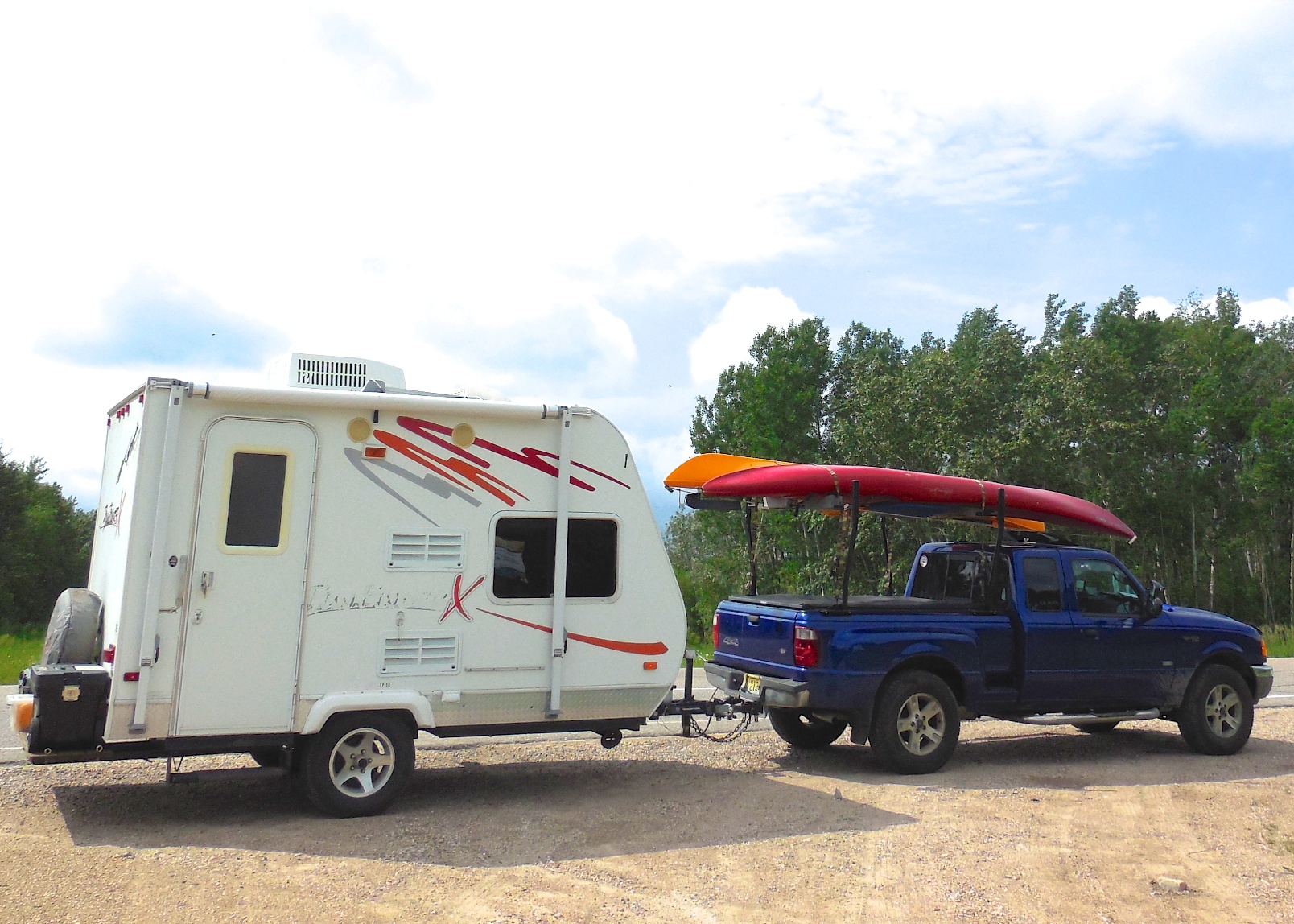
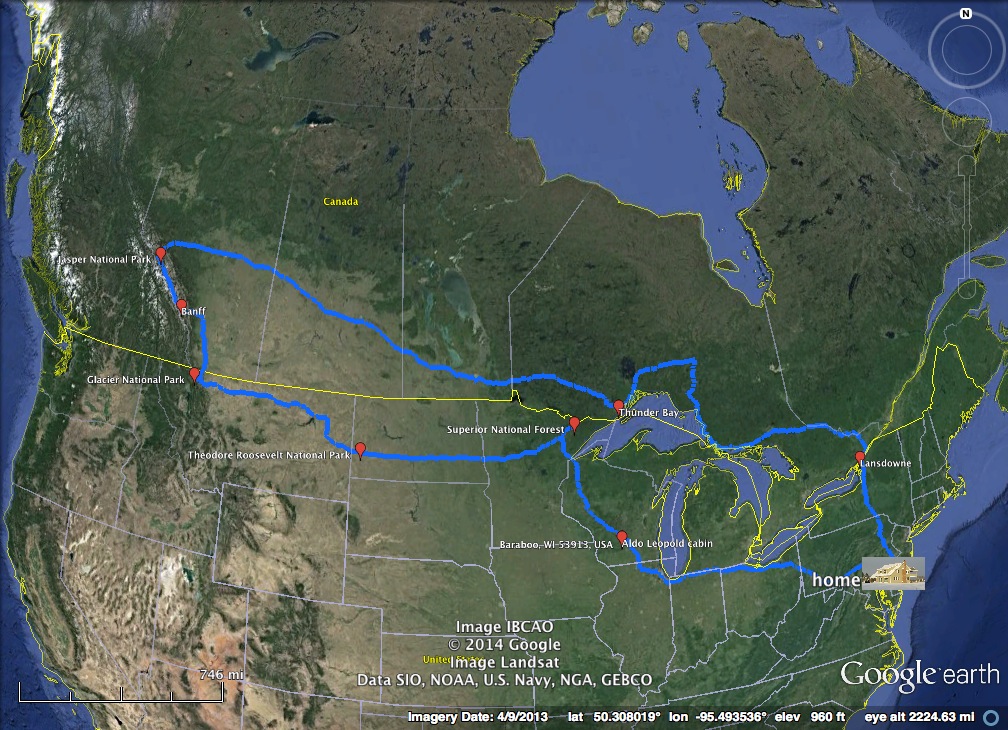
Mandy and I spent July traveling across Canada on the Trans-Canada Highway and returning off the interstates through the northern US. Our ultimate destination was the northern Rockies, and our goal was to see all the marquee big game animals that live in northern US and Canada: moose, caribou, elk, big horn sheep, mountain goats, mule deer, pronghorn antelope, American bison and any predators that would show themselves wolf, grizzly, mountain lion, wolverine. We intended to hunt big game minus the kill!
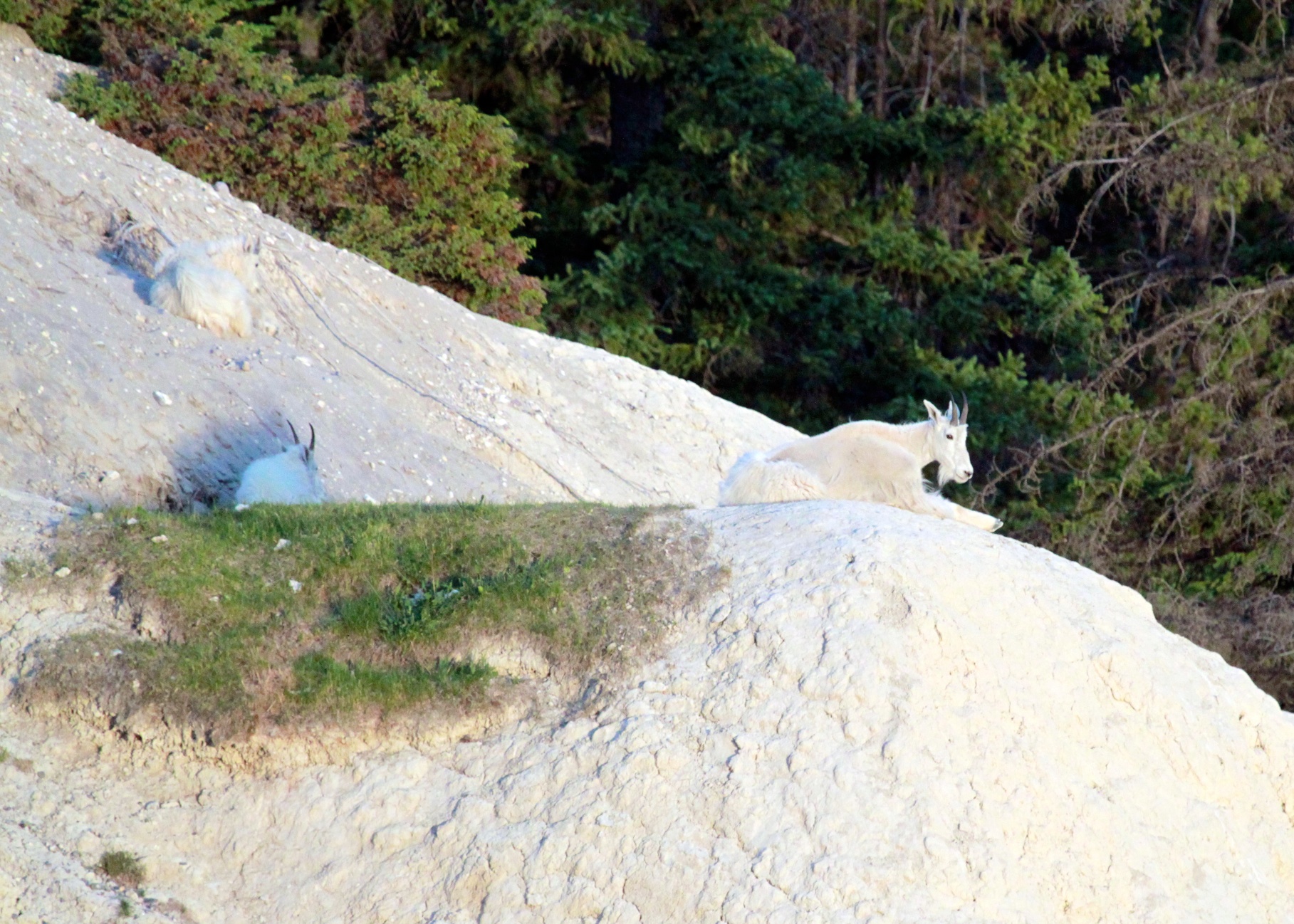
A small mountain goat herd rests in the fading light in Jasper National Park, Alberta, Canada (photo larry niles)
Along the way, we came to know more about the people and wildlife of mostly rural communities. City folks rarely appreciate that both are unique expressions of the land in which they live, deserving of great respect for the natural adversities that shape life in rural communities especially those in which winter temperatures can plummet to -40 F. We also found both in an epic struggle as an almost palpable dark force sweeps the lands irrevocably transforming rural life for both.
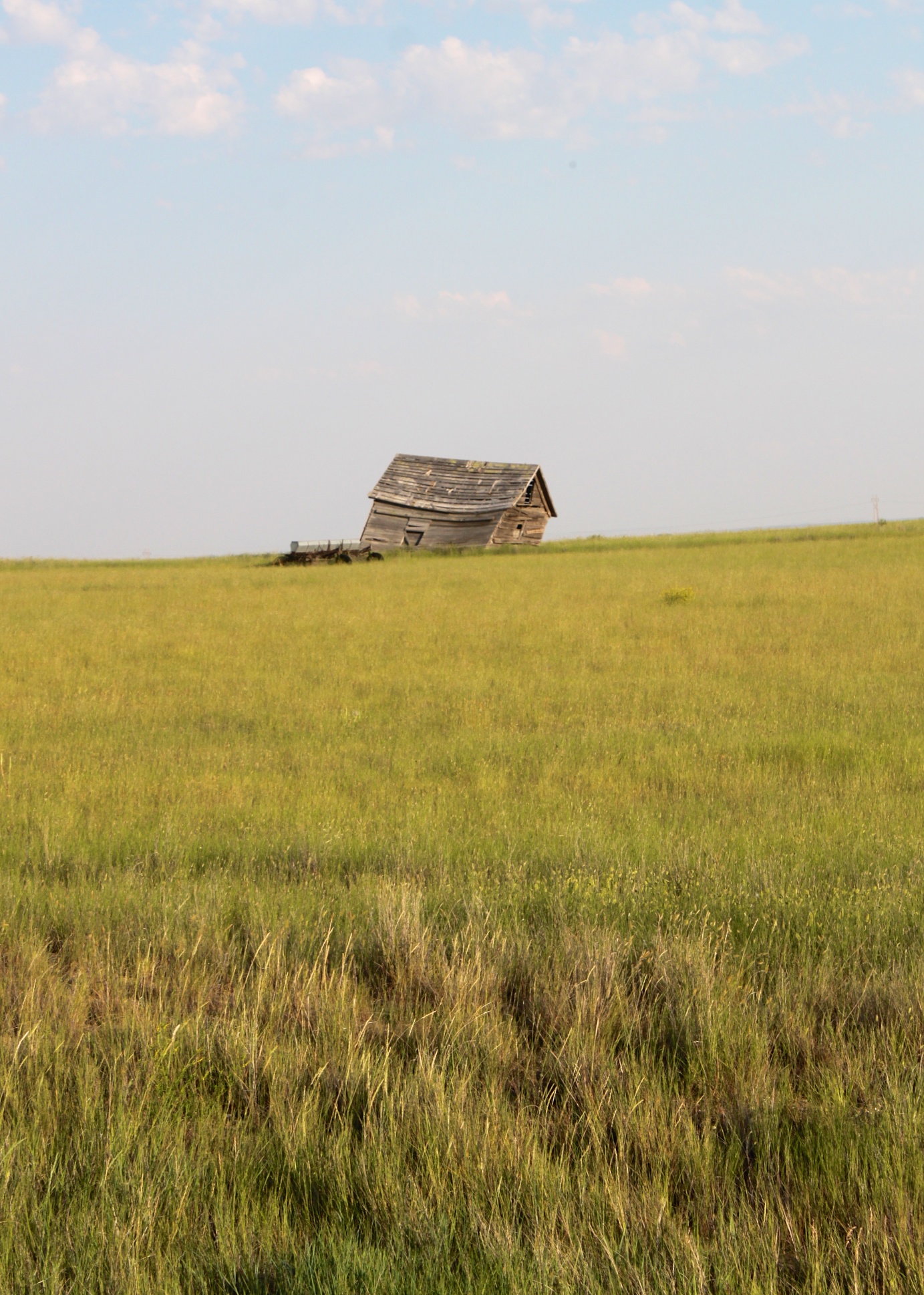
In both countries, we witnessed the inexorable hand of industrialization reaches into nearly all aspects of rural life. Farmers, for example, are practically stampeding to purchase gargantuan machines and consolidating fields to suit them. It’s a plague for wildlife who find themselves increasingly isolated into relatively small areas of public land nobly devoted to them but still facing winter in a landscape cleansed of wintering habitat. It’s described as an advance because it takes fewer people to grow more crops, but the graveyard of old dilapidated and abandoned farm compounds that is today’s agricultural landscape, tells a much different story. Neither does the shabby and rapidly depopulating towns, desperately clinging to economic survival with gambling, dollar stores, and box stores.
Sadly for the people living in the rural north, industrial-scale agriculture is only the tip of the global economic iceberg. The real industrials giants of the north, forestry, mining, oil and gas companies consume rural wealth, funnel it away to distant financial markets and do their best to evade any responsibility for the devastation left behind. Each commands the natural landscape from which they extract nearly every cent leaving little for wildlife, rural people or the next generation. Giving the mass exodus of young from these rural areas few will be left to mourn the loss
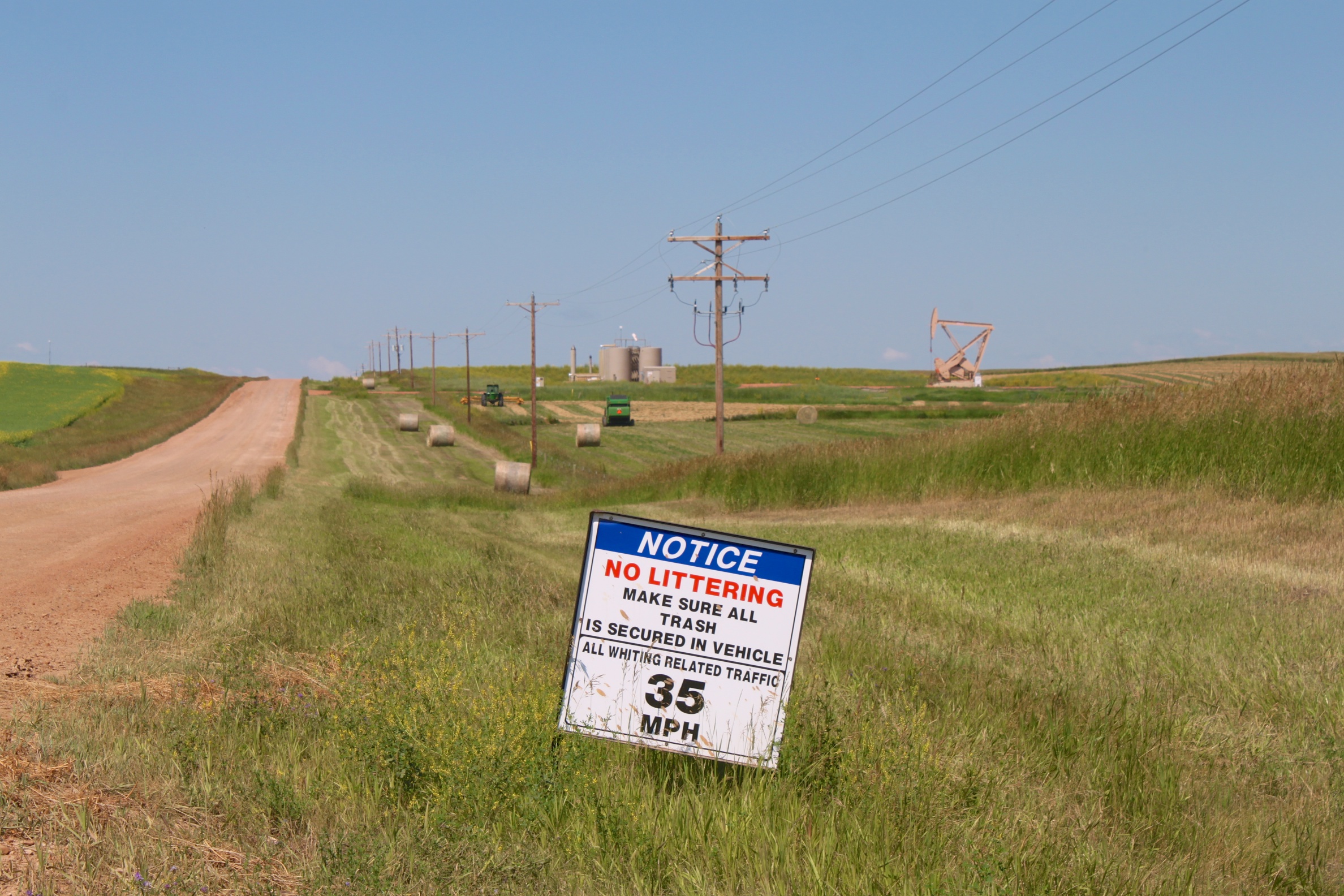
An oil pump deep in the heart of rural North Dakota. North Dakota near Theodore Roosevelt National Park.
On the other hand, our most lasting memories from our 10000-mile trip pulling a 14 ft travel trailer with a small pickup were boreal forests that reach into Arctic tundra, jagged wild mountains forever protected by national wilderness and park designations, rough-cut badlands prairie and throughout it all the kindness of generous, hard-working people all tempered with the gradual recognition that a growing and reckless land use plagues their land.