This blog focuses on the conservation of wildlife and rural communities that depend upon them. These blogs are meant to help people who care for wildlife and would like to join in the many efforts aimed at improving conditions for wildlife and habitat. Conserving wildlife not only helps animals but rural communities that rely on hunting, fishing, bird watching, and other outdoor sports to create an economy that overcomes the economic burden of living in important ecological places like Delaware Bay.
read the previous post on Thompson’s restoration
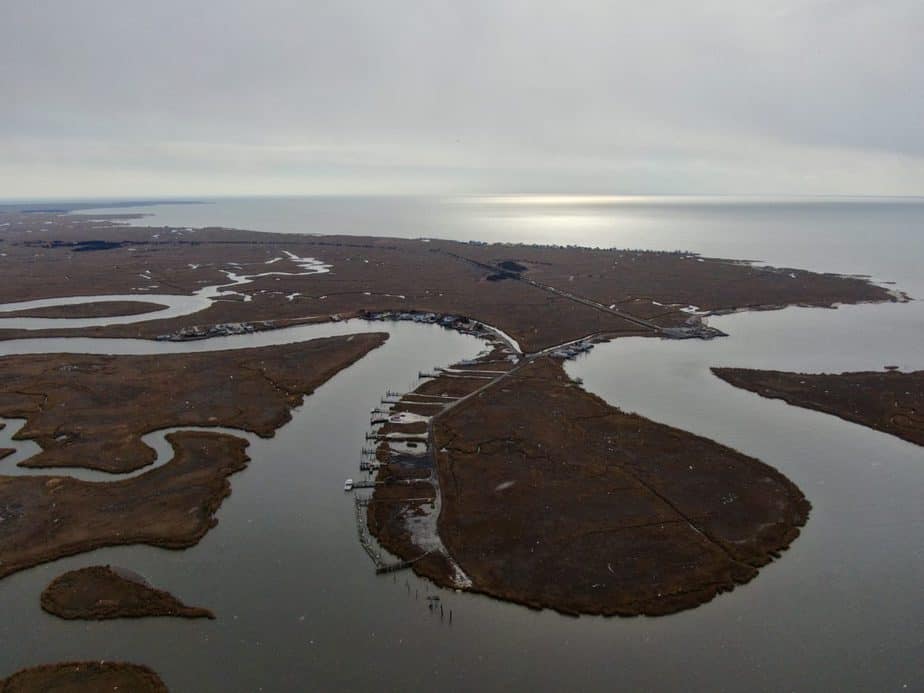
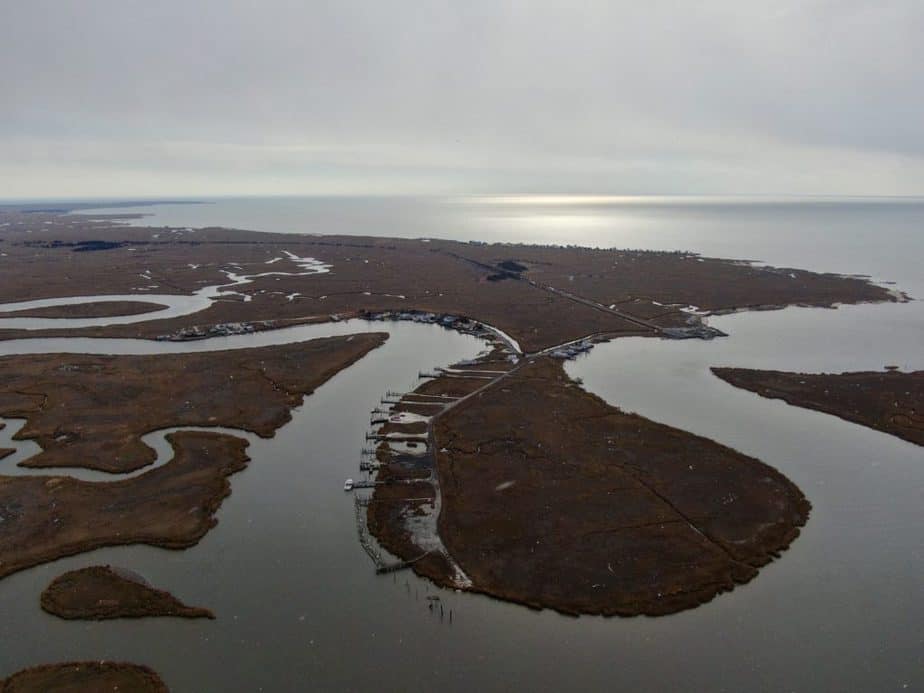
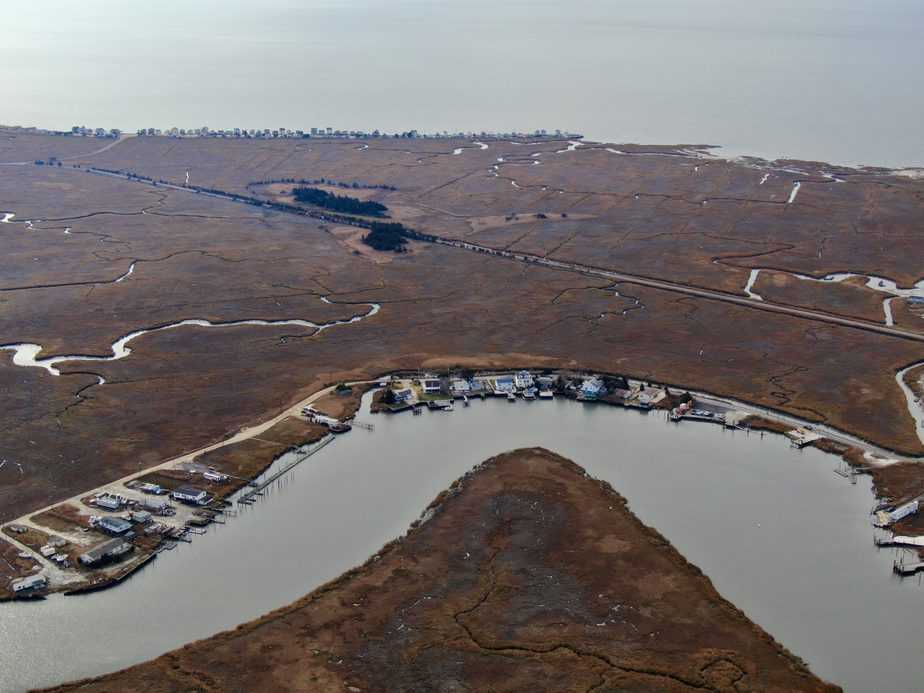
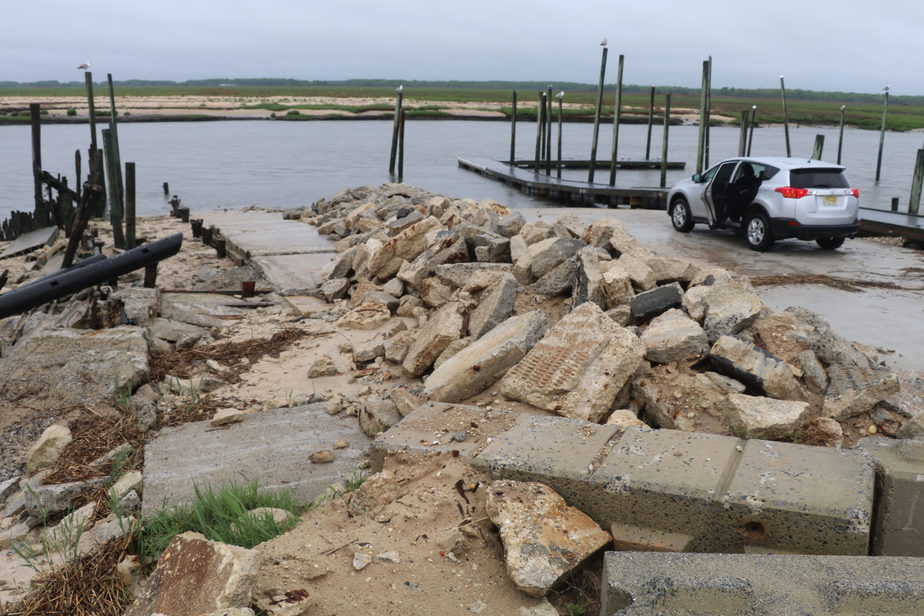
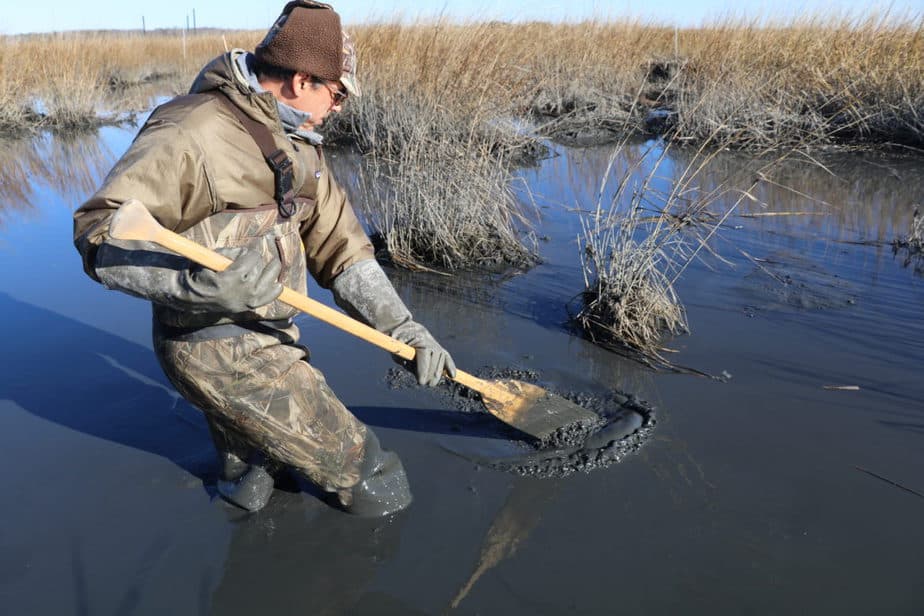
A vast tidal wetland frames Delaware Bay. Farmers took advantage of this highly productive marsh in the 1800s by building earthen dikes to keep out the tide and grow salt hay and other crops. Over a hundred years later, the loss of biomass compaction and accelerated decomposition lowered elevations by several feet. The loss left the tidal wetland vulnerable to erosion and less productive for wildlife and fish.
The American Littoral Society, Wildlife Restoration Partnerships and Stockton University created a new project to increase the elevation of just one acre of the damaged marsh. Why? To prove the concept of containing mud to elevate marsh and to provide a better basis for estimating costs of a larger project. I’ve written this blog describing the project. ( click the first image to start gallery)